Opera
Bass-baritone roles and ensembles, weighted towards Italian bel canto and the German repertoire.
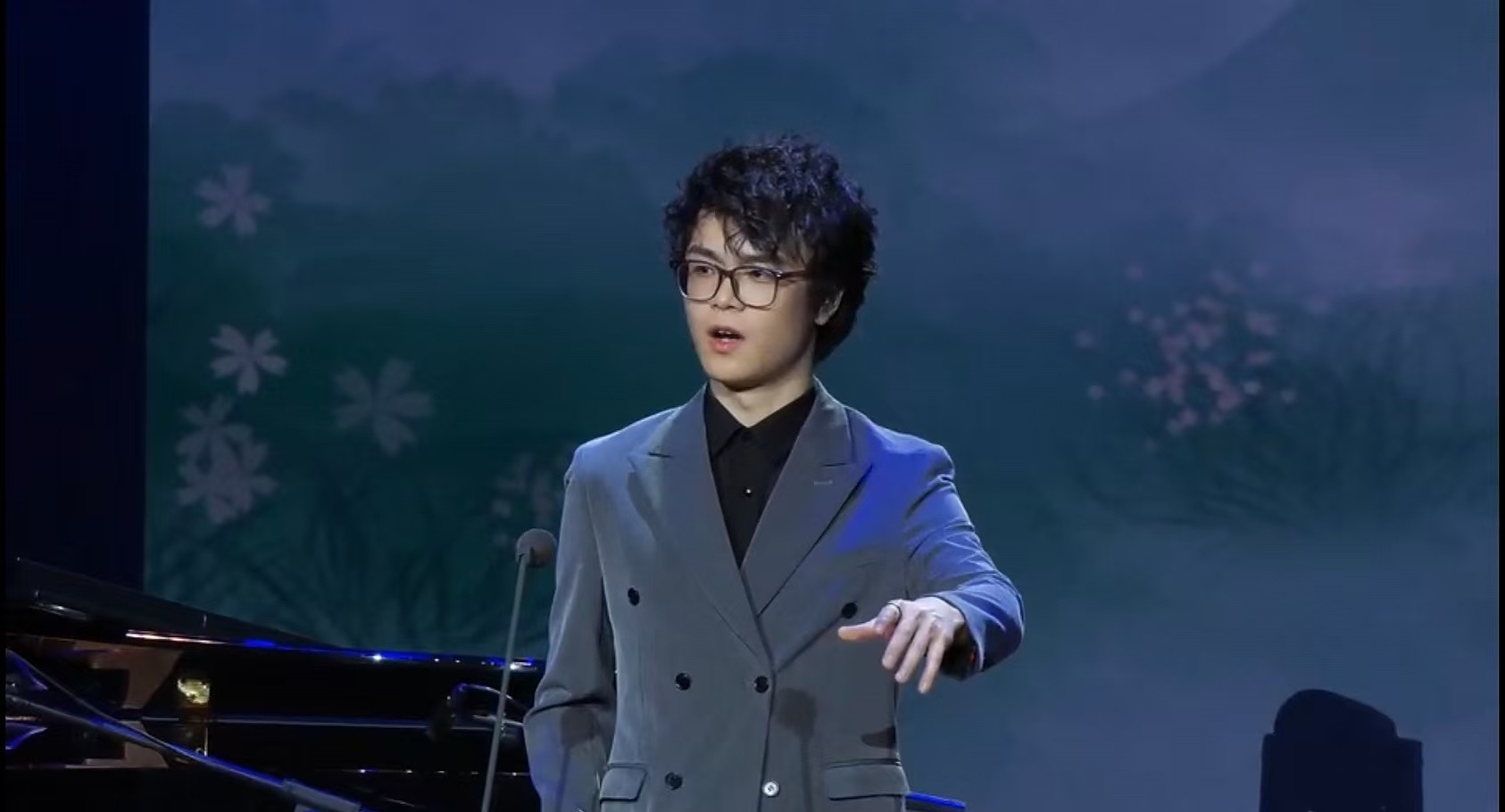
Bass-Baritone · Music Educator
Voice, text, and the space between them.
01 — About
Ingo Zhao (招一鸣, Zhao Yiming) is a Chinese bass-baritone and music educator working in Guangzhou.
He is currently completing a Master of Music in Vocal Performance and Opera at the Xinghai Conservatory of Music, where he studies with Professor He Ruoqi. He first sat at the piano at five, and has performed in public ever since — first as an instrumentalist, later as a singer.
He took his bachelor's degree in Music Education at the same conservatory, studying with the pianist Dr. Zeng Huijun and the vocalist Associate Professor Lei Jijing. That training left him with two habits that still shape his work: an ear for what the piano is doing underneath the voice, and a reader's attention to the words themselves. Both are audible in his diction in Italian, German and French, and in the care he takes with the literary weight of a song.
As a bass-baritone he treats singing less as a display of technique than as an act of address — one person speaking to another, through music and through text.
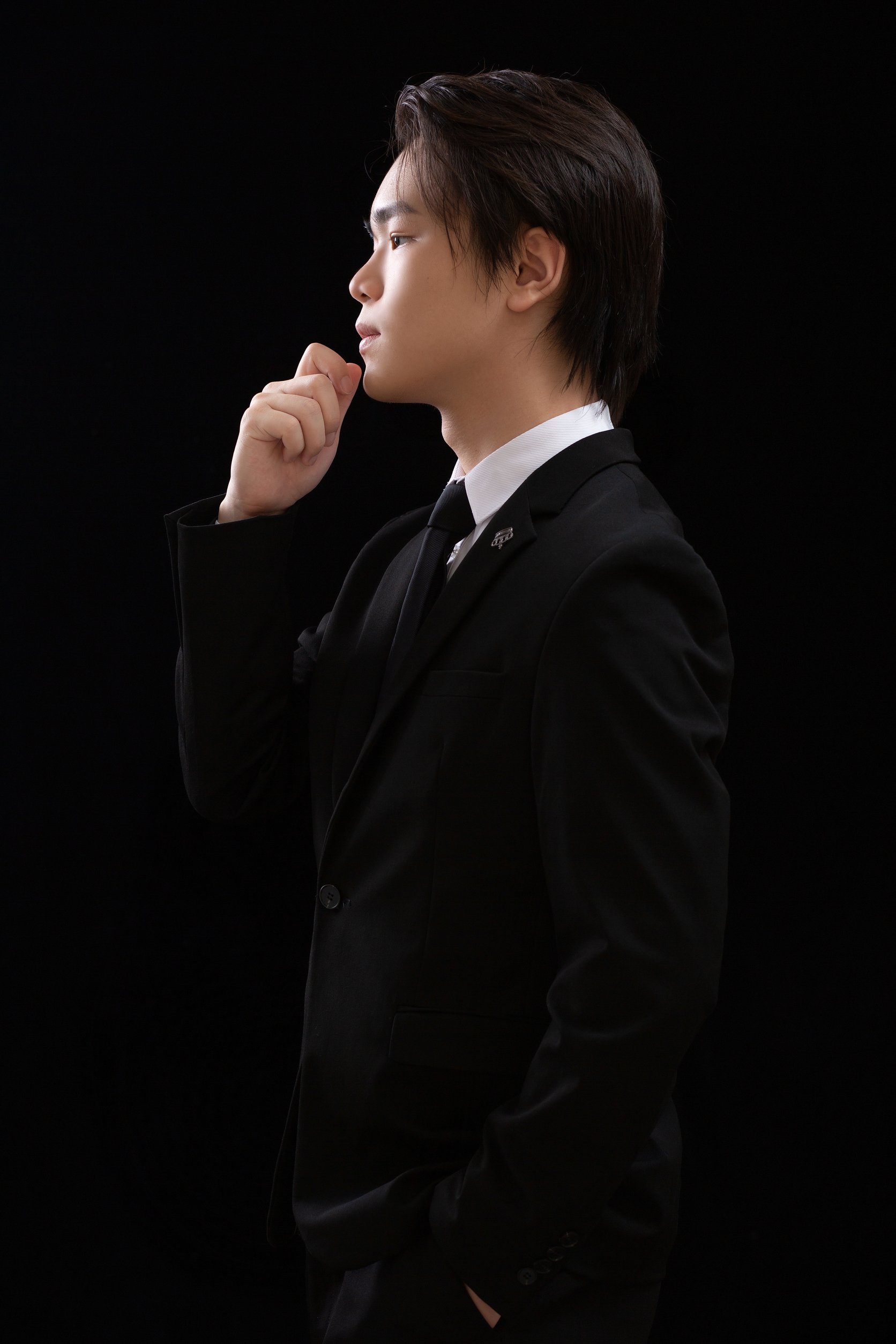
02 — Voice
Bass-baritone roles and ensembles, weighted towards Italian bel canto and the German repertoire.
German Lieder, Chinese art songs and French mélodie — read as literature before they are sung.
Ensemble singing and choral direction, including work with school and community choirs.
An ongoing attempt to carry classical technique into jazz standards and improvisation.
Bass-baritone
Italian · German · French · English · Chinese
Cantonese (native) · Mandarin (fluent) · English (fluent)
Opera · Art song · Choral · Vocal coaching
03 — Stage
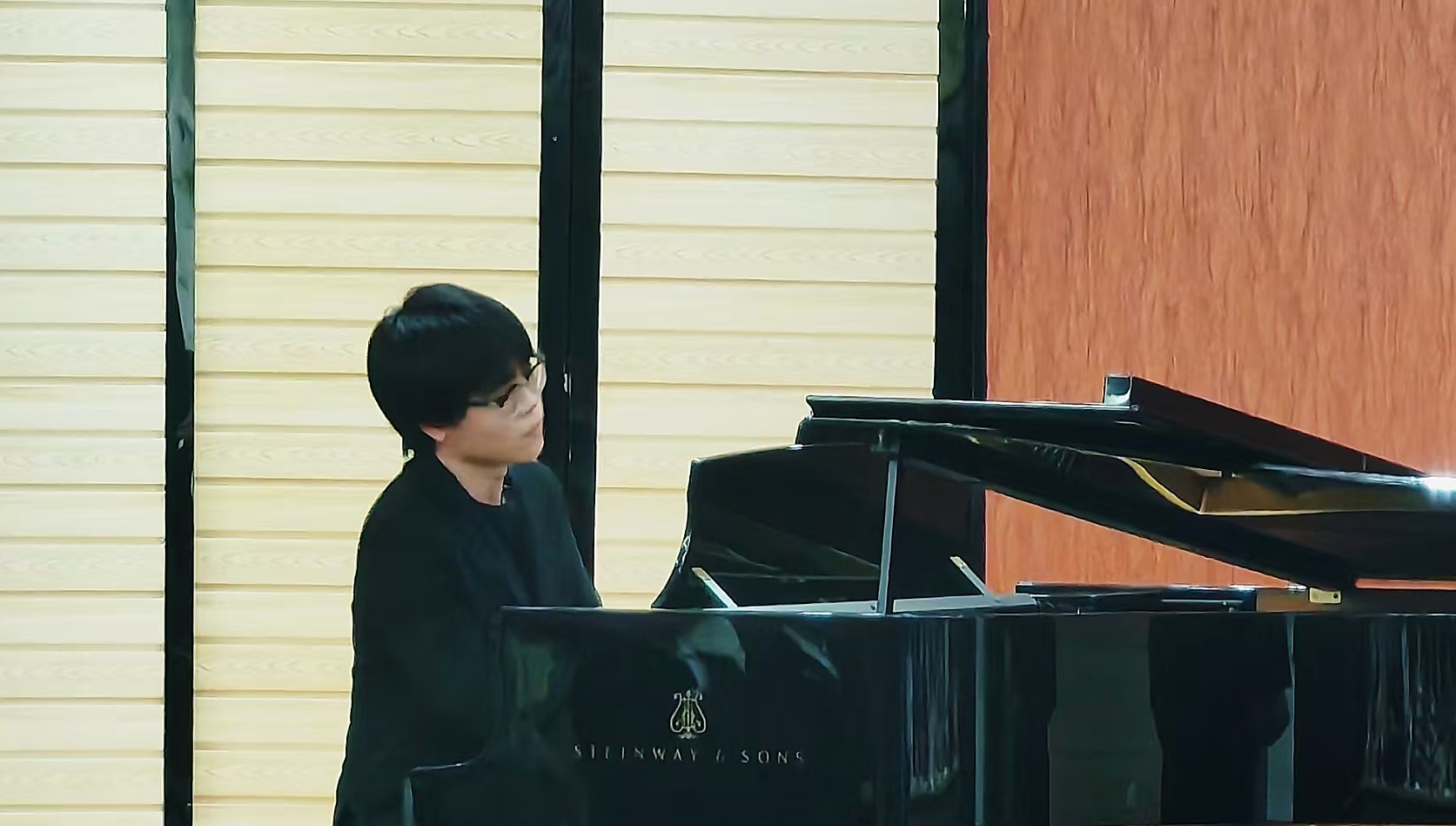
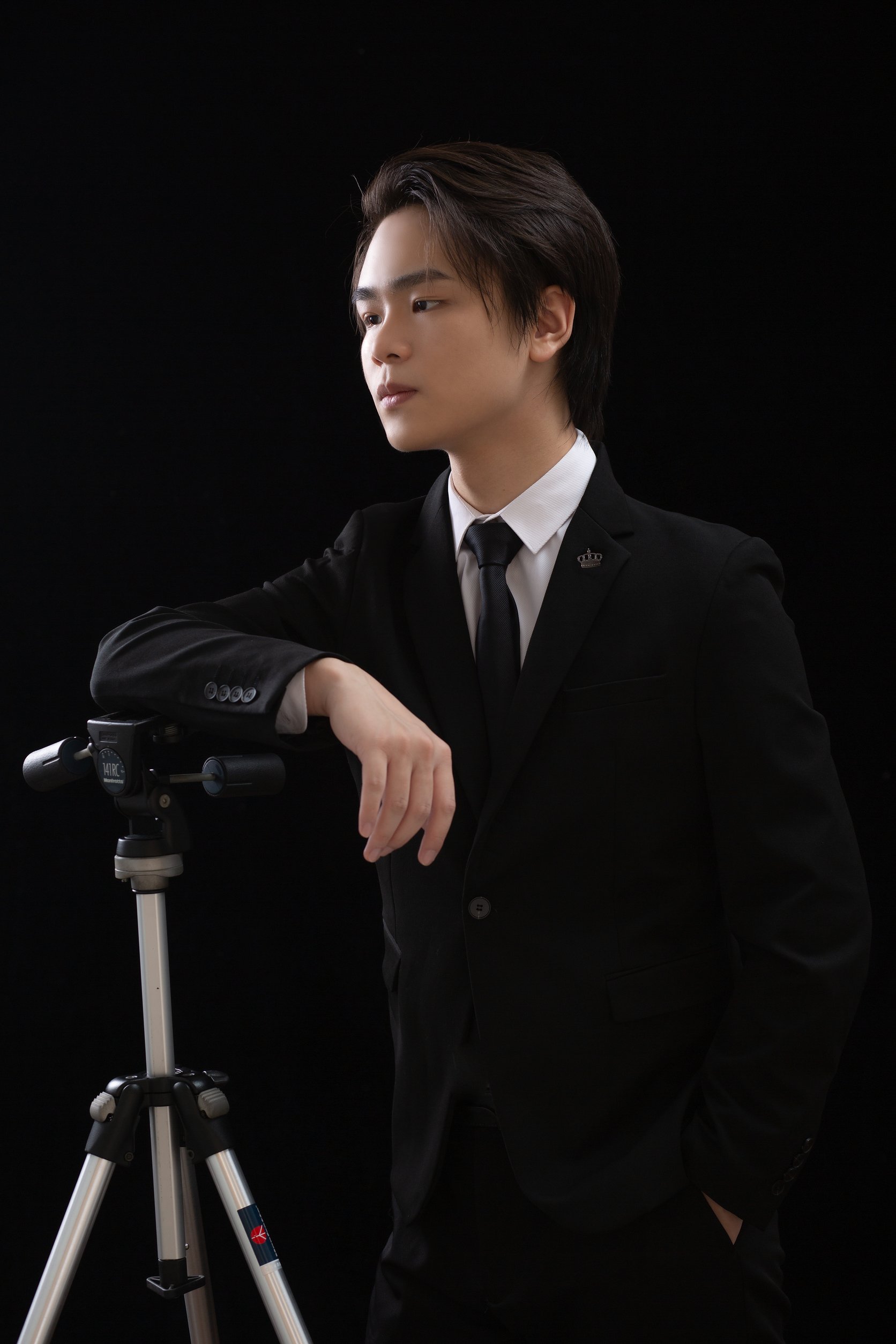
Recent work includes university concerts that bring Chinese folk material into Western bel canto, and public music-education events intended to make classical vocal art less remote from ordinary listeners.
04 — Research
His undergraduate thesis reads Schumann's Dichterliebe as a single integrated work rather than a sequence of songs.
A Study on the Integrated Art of Lyrics and Piano Accompaniment in Schumann's Dichterliebe follows the cycle's structural logic and asks how voice and piano together carry one poetic argument — where the piano is not accompaniment but a second narrator, often saying what the singer cannot.
The question runs through his performing and his teaching alike: how a poem becomes sound, and how two performers share the telling of it.
“Vocal art is not the display of vocal skill, but a sincere communication with the audience — through music and text.”
05 — Teaching
He teaches vocal classes and choral programmes in primary and secondary schools, with an emphasis on musical expression and emotional development.
His method is individual. Each student receives a plan built around their own instrument, so that healthy vocal habits and independent musical thinking grow from the student rather than from imitation. Singers are asked to read the text of a song before they sing it, and to listen for what the piano is saying underneath — the same two habits his own teachers gave him.
06 — Contact
For performance, collaboration or teaching enquiries:
551029635@qq.comGuangzhou, Guangdong, China